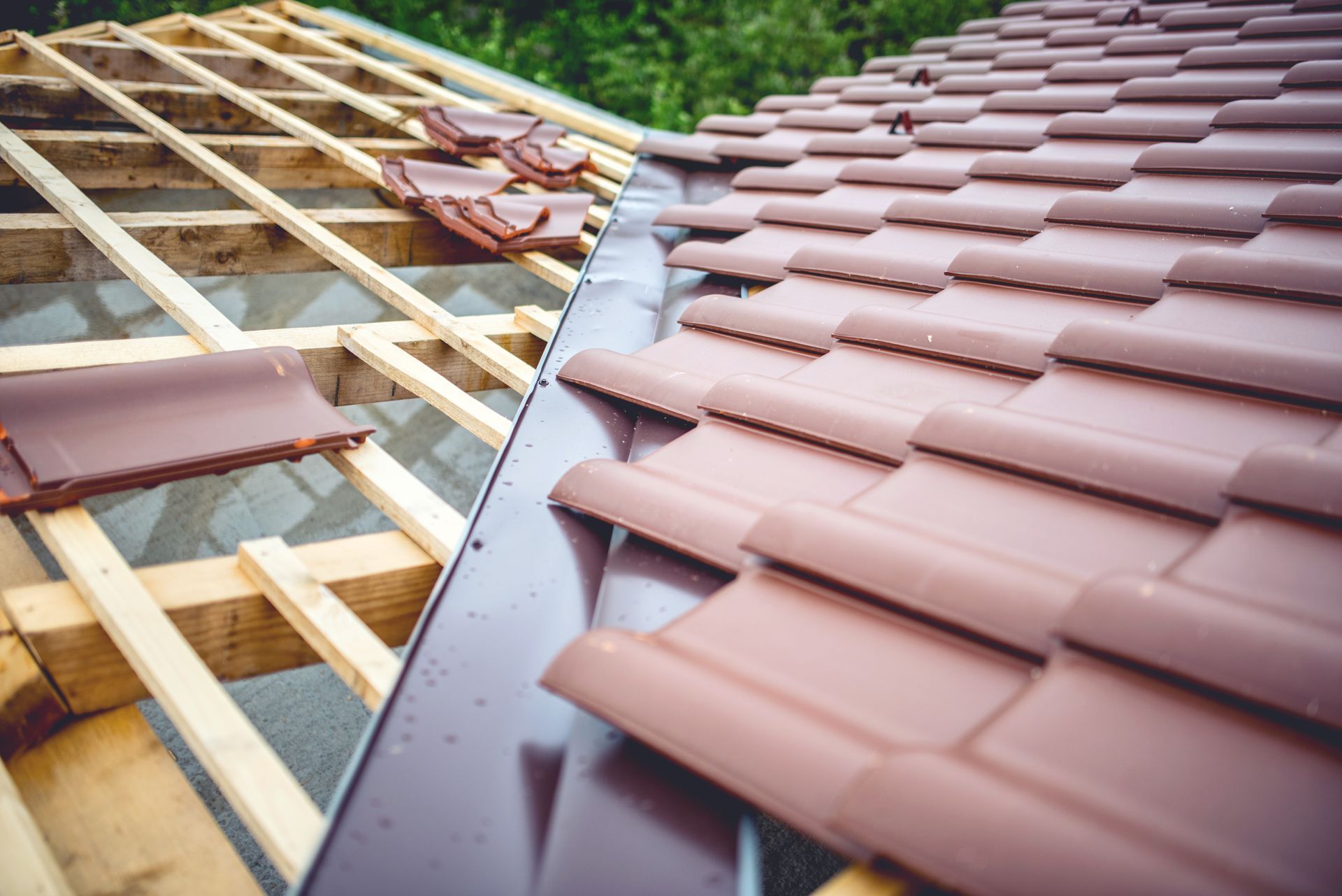
Roofing contractors often need a day or more to reach a property after a roof opens to the weather, and that wait can make the damage worse. This article explains what to do in the meantime to limit water intrusion, protect the interior, and prepare for a repair in Pensacola and the surrounding Northwest Florida area. If your roof is open right now, call
(850) 348-3108
for prompt help.
Keep Water out of the Rooms Below
The first priority is to protect the interior from water that is still getting in. Water can travel along rafters and wall cavities, so a stain on the ceiling may point to a larger problem.
Start with these steps:
- Move furniture, rugs, and electronics away from wet areas.
- Place buckets or containers under active drips and empty them often.
- Turn off electricity to ceiling fixtures or outlets near standing water.
- Lay towels or plastic sheeting on floors where water collects.
Document the Damage Before Anything Changes
Clear photos and written notes can support an insurance claim and help a contractor understand the scope of the job. Record the damage before cleanup or temporary repairs alter the evidence.
Useful documentation includes:
- Photos of the roof from the ground, taken from several angles.
- Photos of interior stains, bulges, and damaged finishes, with dates if the camera allows it.
- A written timeline that notes when each problem first appeared.
- Receipts for any emergency supplies, such as buckets, sheeting, or fans.
Stay off the Roof
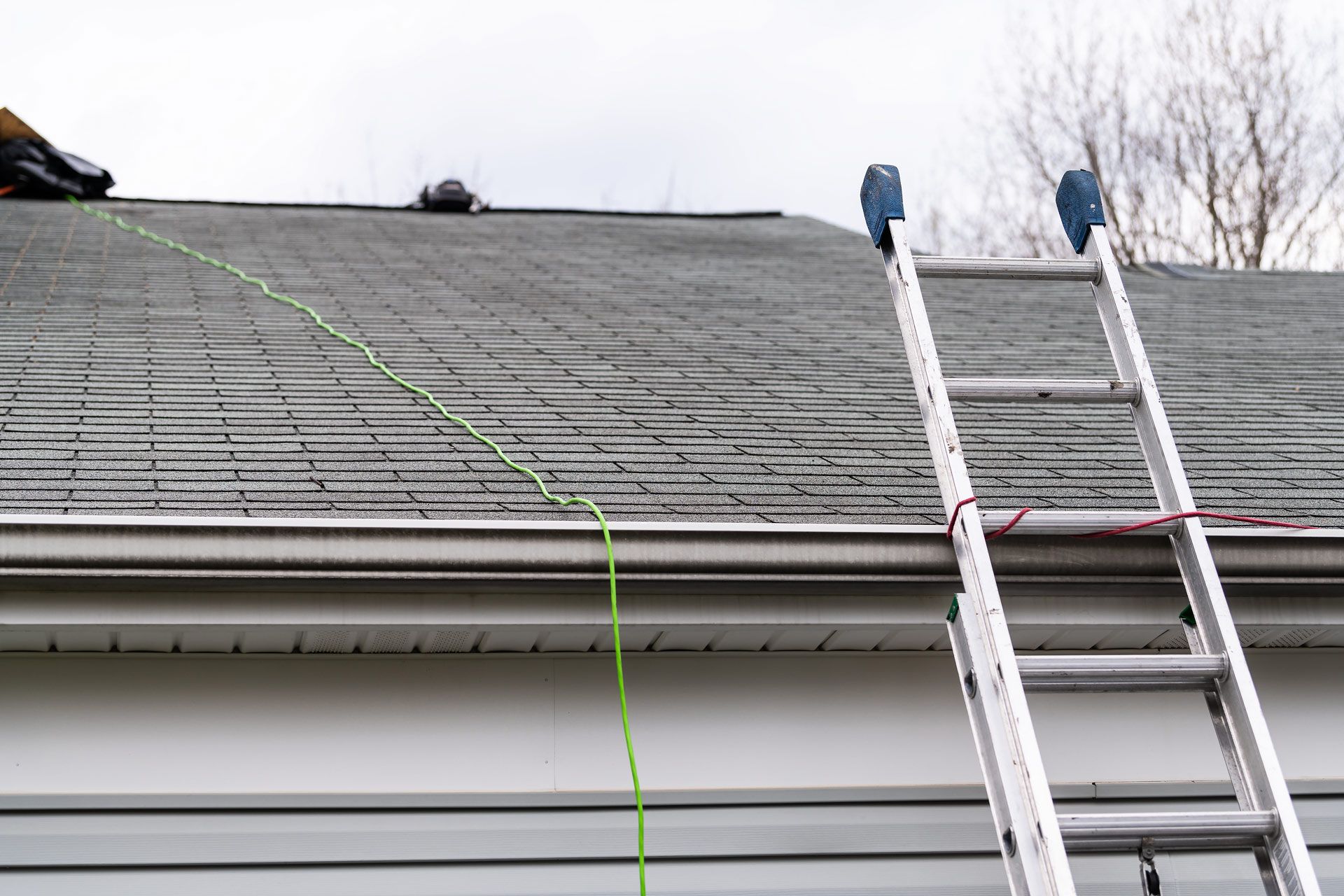
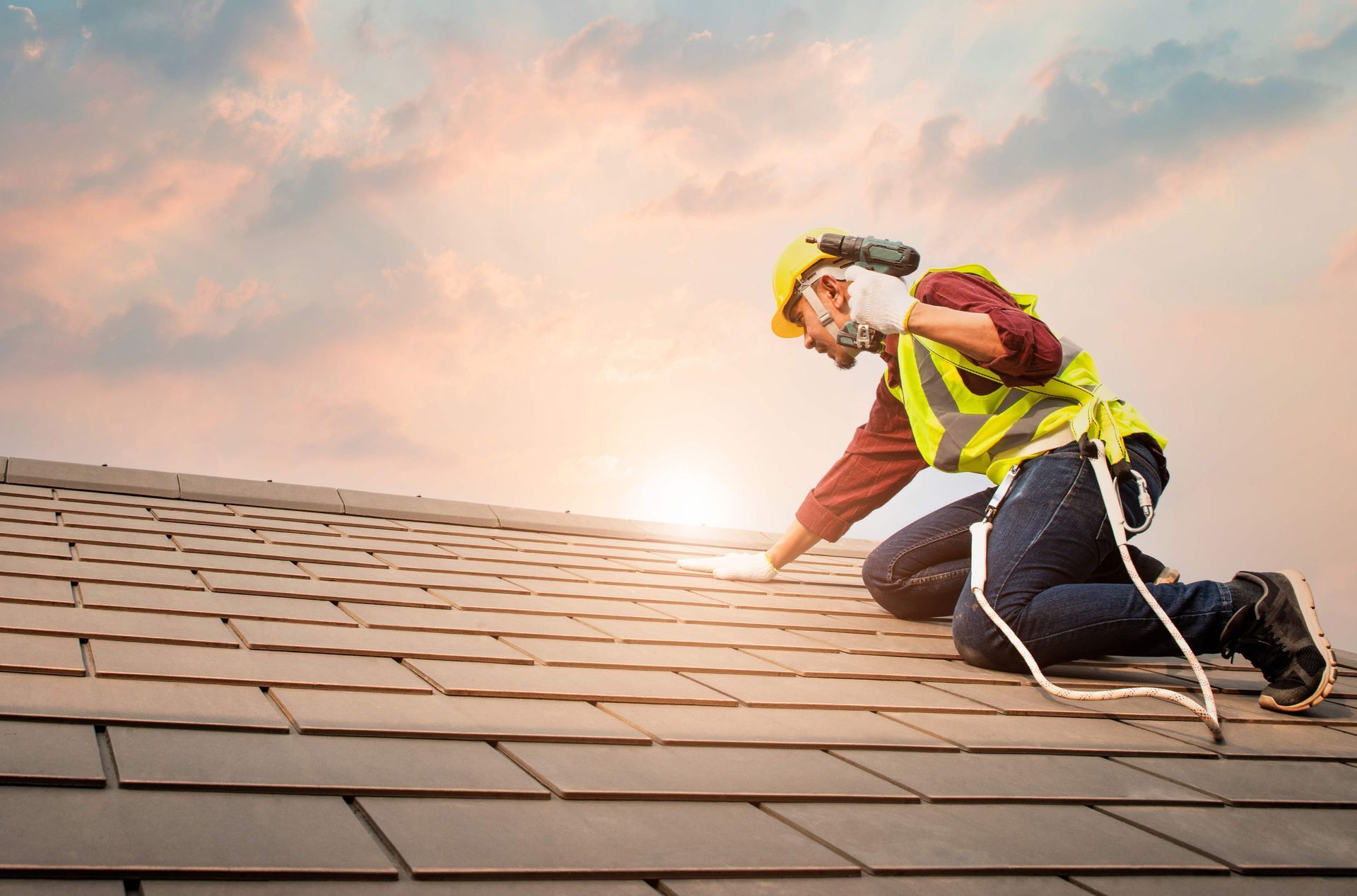
Roof surfaces are unstable after wind or storm damage, so staying off the roof is the safest choice. Wet shingles can be slippery, and missing sections can expose decking that may not support weight.
Avoid attempting major repairs yourself. A fall from a roof can cause serious injury, and an improper fix can make it harder for a professional to assess the original damage.
Understand What a Temporary Tarp Can Do
A temporary tarp can slow water entry until a permanent repair is planned. It does not replace the inspection, repair, or replacement that a qualified roofer performs.
A properly secured tarp typically extends beyond the damaged area and is fastened at the edges so wind cannot lift it. Tarps can loosen over time, so they should be checked after each weather event.
Recognize When to Call Right Away
Some conditions call for immediate help rather than waiting for a routine appointment. These signs suggest the situation needs an emergency response:
- Water is actively coming through the ceiling or walls.
- A ceiling or section of roof is sagging or sounds soft underfoot.
- Electrical sparking, buzzing, or a burning smell appears near water.
- A large section of roofing material is missing or has blown away.
Emergency roofing contractors can often secure an open roof more quickly than a standard repair crew. Ask whether the company offers emergency tarping and whether it can respond after hours.
Many roofing contractors offer emergency tarping that can be installed soon after a call, which keeps the open area covered while the permanent scope is written. Learn more about the
emergency tarping service and how the crew secures each edge.
Plan for Local Weather in Northwest Florida
Gulf Coast weather can change quickly, and hurricane season runs from June through November. Afternoon thunderstorms, high humidity, and salt air can all add to the strain on an opened roof.
Damp insulation and drywall can also begin to grow mold when moisture stays trapped. Shorter waits and quick drying of affected materials help limit this risk.
Prepare for the Repair Visit
Before the crew arrives, clear access to the attic, the affected rooms, and the exterior walls. Have your photos, timeline, and any insurance information ready so the contractor can review them with you.
Ask the contractor to explain the repair plan in writing, including whether temporary protection will stay in place until permanent work begins.
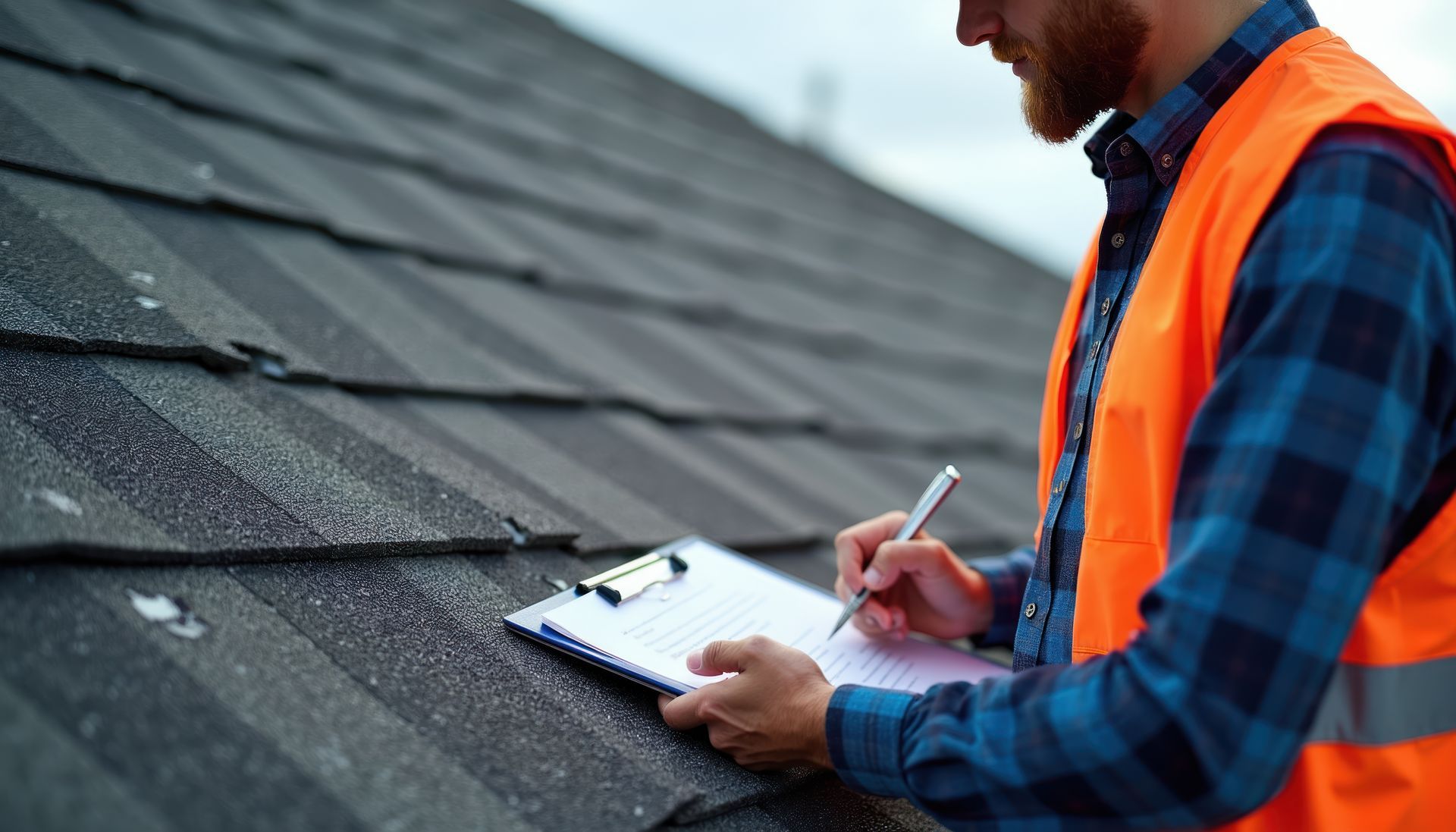
Roofing contractors typically inspect the roof, the attic, and the interior before writing a scope of work. Having clear photos and a timeline ready can make that visit faster and help the crew focus on the true source of the damage.
Understand the Permanent Repair Process
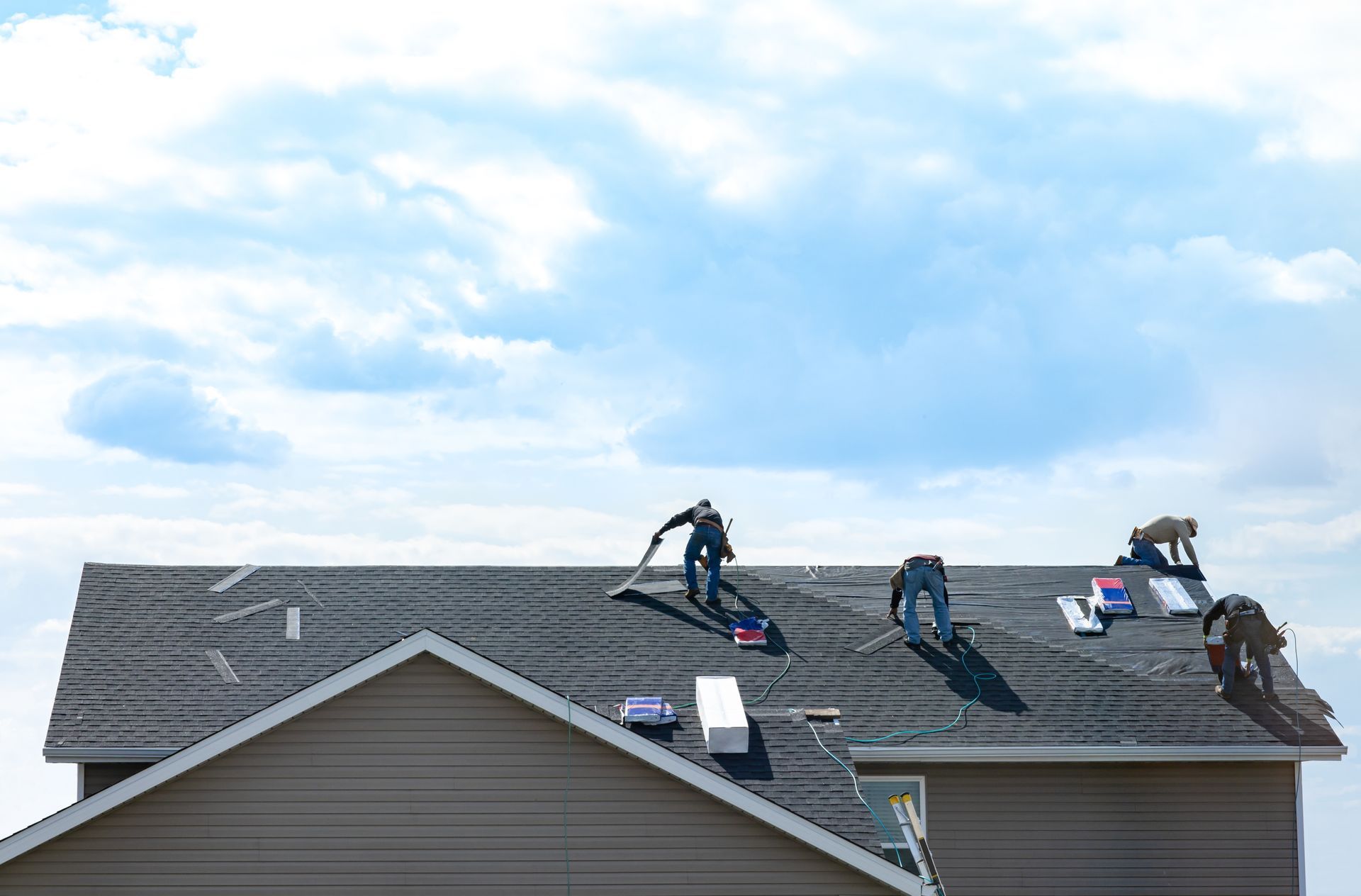
A permanent repair usually begins only after the interior is dry and the roof surface is documented. Many roofing contractors then remove damaged materials, check the decking, replace the underlayment, and install new roofing that matches the existing system.
The scope may change once the damaged materials are exposed, so ask for a revised written estimate if the work expands. Clear communication at this stage helps keep the project on schedule and reduces surprises.
Get Help From Rowell Roofing Sooner
Rowell Roofing can assess an open roof, install emergency tarping, and plan the permanent repair for property owners in Northwest Florida. Call
(850) 348-3108 or request a free quote through the
contact page to schedule an inspection. Our business profile on
Google Maps lists our location and contact details.